Counselling and mental wellbeing support
A safe space to be heard, make sense of life’s challenges and build confidence
CAPS offers safe, supportive spaces for tamariki, rangatahi, adults and whānau to work through anxiety, grief, trauma and life’s pressures. Through school, community and primary health pathways, our counsellors provide support tailored to each person’s needs, helping them feel heard, develop coping skills, strengthen relationships and move forward with greater confidence.
How we can help
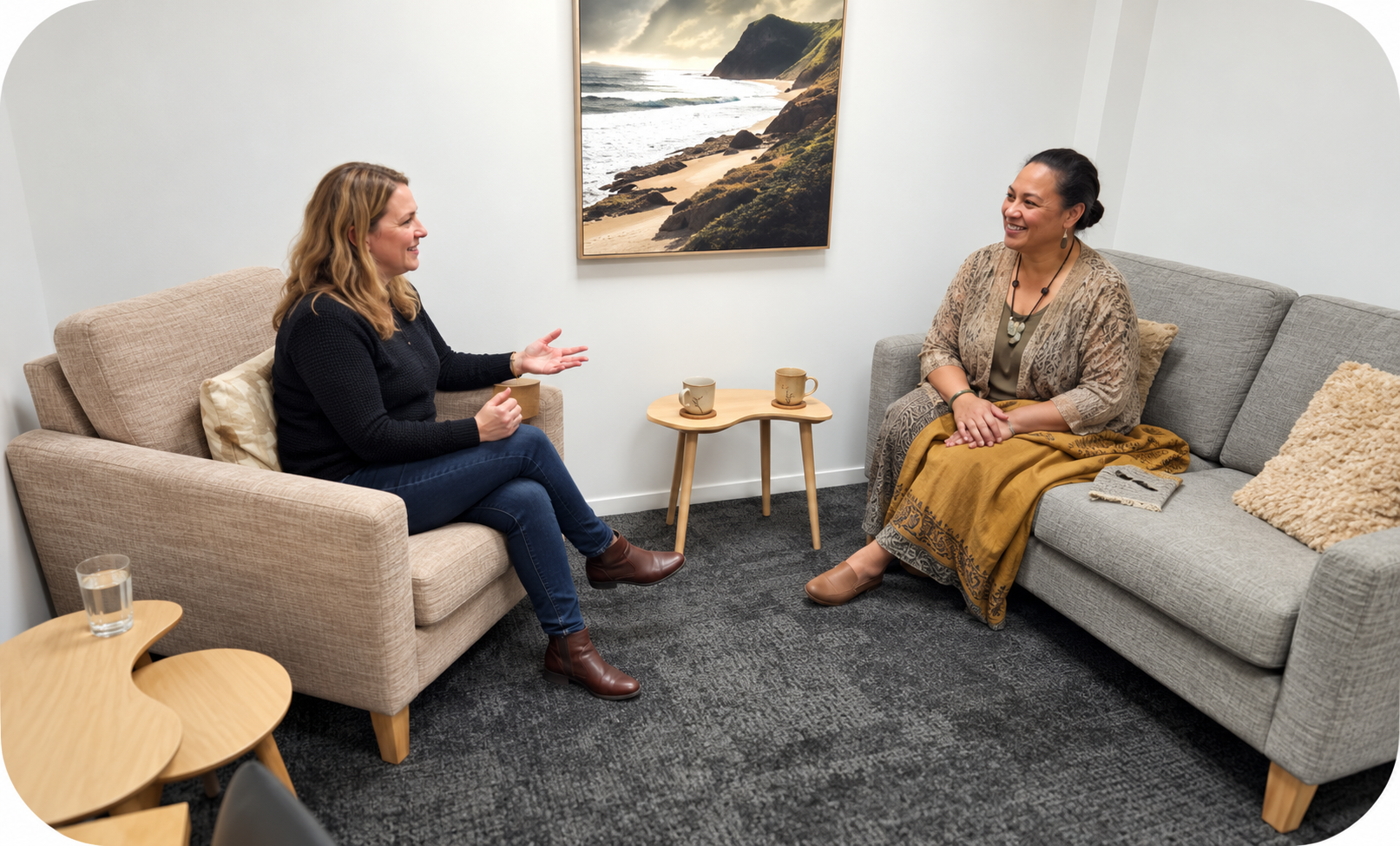
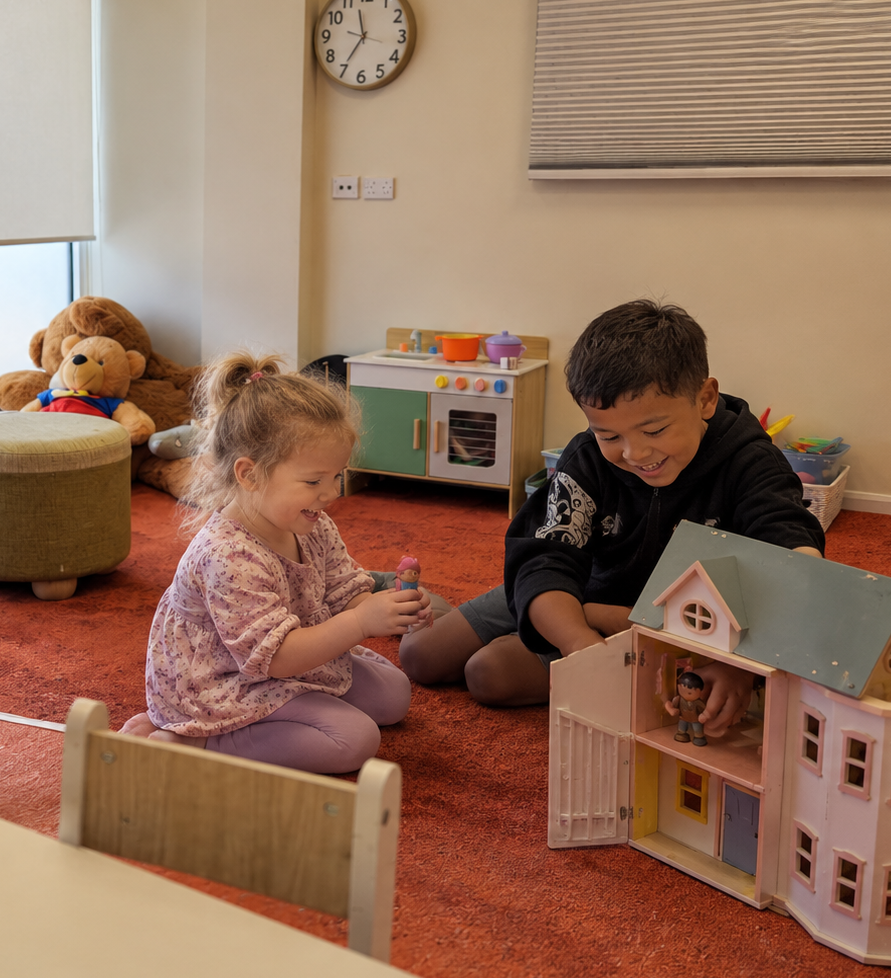
We take time to understand what is happening for you and what you would like help with. Counselling offers space to explore difficult experiences, understand feelings and develop practical ways to cope. Through school-based counselling, brief intervention and counselling within coordinated whānau support, we help tamariki, rangatahi, adults and whānau strengthen relationships and feel more confident in everyday life. Together, we work towards goals that reflect your needs, culture and circumstances.
Not sure where to start?
You don’t need to know which service to choose. Tell us a little about what’s happening for you or your whānau, and we’ll help you explore the support available and find a suitable next step.
If support is needed outside CAPS operating hours, Safe to Talk is available online at safetotalk.co.nz, call 0800 044 334 or text 4334
Frequently asked questions.....
Our Counselling and Mental Wellbeing services support tamariki, rangatahi, adults and whānau experiencing emotional challenges, mental health difficulties or complex family circumstances. Different services have different eligibility and referral requirements. Contact CAPS to discuss your needs and available options, speak with your child’s school about Counselling in Schools, or ask your GP about Midlands Brief Intervention Counselling.
There are no costs, no fees, and no means testing.
No. You can contact us directly and self-refer.
At CAPS Hauraki Inc, we treat your information with care and respect and keep it confidential within the law. We will talk with you before sharing information wherever it is safe and legally possible to do so. Sometimes we may need to share information to help keep you or someone else safe, or because the law requires it. If you have any questions about privacy, please ask us.
Counselling gives your child a private space to talk. Parents and guardians of children under 16 can request their counselling information, but access is not automatic. Information may be withheld to respect the child’s wishes or protect their interests. From age 16, parents have no special right of access. Information may also be shared where legally permitted or required, including for serious safety concerns. Please talk with the counsellor about confidentiality and how you can support your child.
You can discuss this with your child’s counsellor before sessions begin. Your involvement will depend on your child’s age, needs and wishes, and the approach being used. Sometimes having a parent or caregiver present helps a child feel comfortable; at other times, private time may help them talk more freely. The counsellor will discuss suitable arrangements and how you can support your child outside sessions.
Please let us know if you would feel more comfortable with a counsellor of a particular gender. We will take your preference into account when exploring suitable support. Options depend on the service and counsellor availability, so we may not always be able to accommodate your request. Use the notes field on the referral form to state any preference you would like considered.
Counselling is usually provided in a suitable, private setting, such as a CAPS office or participating school. If attending appointments is difficult, please contact us to discuss your circumstances. Home visits or other arrangements may be considered following assessment, depending on your needs, the service and availability. Home-based counselling is not automatically available.
Our counselling services primarily support children and young people aged 5 to 18. Age eligibility varies between services, and support for younger children may be considered depending on their needs and circumstances. Please contact CAPS to discuss the options available for your child or whānau.
What happens when
you get in touch?
All of our services are free. Support is open to people residing in our local service areas. Some criteria may apply
- You contact us Phone, the enquiry form, or a referral.
- We have a conversation A short, no-obligation chat about what is going on.
- We match you to support We help you identify the right support for you
- Support starts Support starts with your consent. It's ok to change your mind and you can stop at any time.
You might also be looking for
Do you or someone you know need support?
Make a referral or call 0508 227 728 and talk to a person. Both work.